South Africa Accelerates Transition to Green Hydrogen Grid
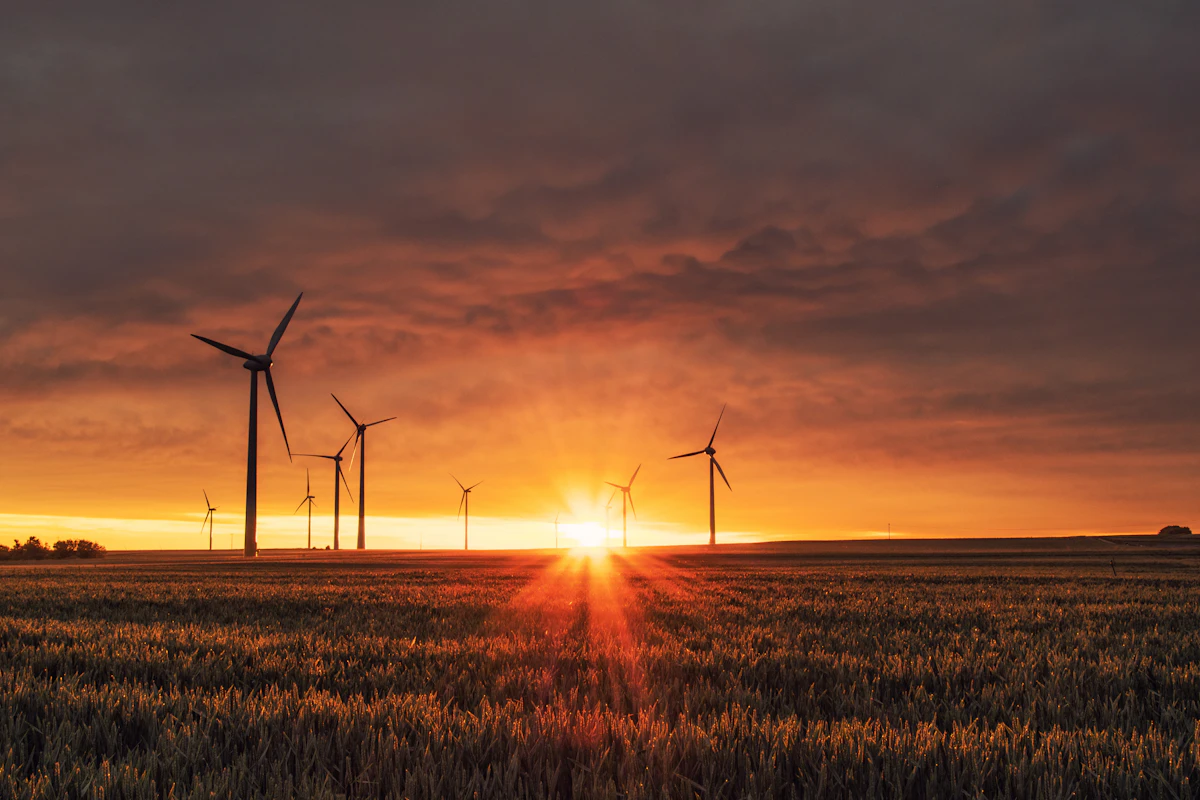

CAPE TOWN — South Africa has launched its most ambitious clean energy program to date: a R120 billion ($6.5 billion) joint venture to establish the Northern Cape Province as a premier hub for green hydrogen production. Funded by domestic infrastructure bonds, German development funds, and private consortiums, the project seeks to utilize the region’s abundant solar and wind assets to split water molecules and create green liquid ammonia.
The program aims to solve two crises simultaneously: domestic power supply constraints (by feeding excess capacity into Eskom’s grid) and long-term economic transition (by creating a new green commodity for export to heavy industries in Europe).
Sarah Jenkins, Energy Policy Analyst, notes: “Green hydrogen has long been touted as the future, but high capital expenditures and transport logistics have held it back. South Africa’s advantage lies in its existing Fischer-Tropsch technology infrastructure, pioneered by Sasol, which can be adapted to synthesize green fuels. This is a massive leap forward in making the energy transition commercially viable.”
Yet, hurdles abound. Electrolyzers require immense quantities of purified water—a scarce resource in the arid Northern Cape. To overcome this, the plans include a seawater desalination plant on the West Coast, connected by a 200km pipeline, adding substantial cost and environmental regulatory hurdles.
“We are also competing against nations like Chile, Australia, and Saudi Arabia, which have massive subsidies,” warns Jenkins. “South Africa must move fast to secure long-term off-take agreements with steelmakers in Germany and Japan if it wants to lock in its early-mover advantage.” Construction of the first electrolyzer arrays is scheduled to begin in early 2027.


Comments2
Crucial perspective on these structural realignments. The central bank policy signals will be key over the next quarter.
Very well articulated report. Would love to see a follow-up briefing on how regional trade volumes are reacting.